
Our lake is a treasured resource for swimming, boating, fishing, and enjoying nature. As stewards of this beautiful waterbody, we must stay vigilant against aquatic invasive species that can harm water quality, wildlife, and our property values. While Variable Milfoil is the most widespread invasive in New Hampshire lakes, Fanwort (Cabomba caroliniana) is another aggressive invader gaining ground in the state and deserves our attention.
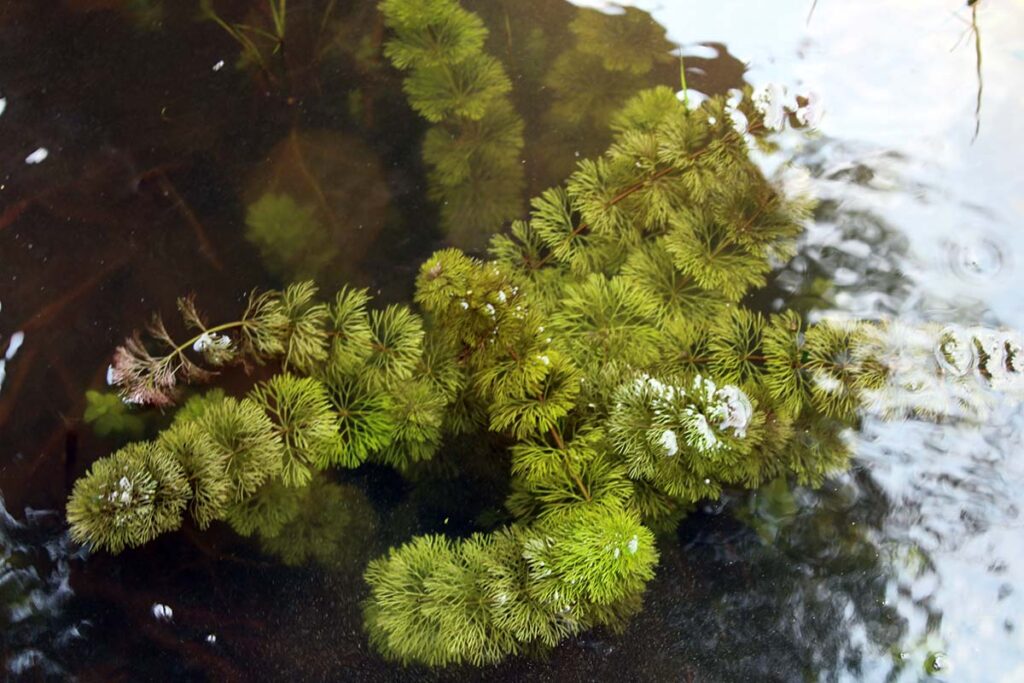
Why Fanwort Is Dangerous
Fanwort is a fast-growing submerged plant that forms dense mats, often in shallow to moderate depths. These thick stands can:
- Crowd out native plants — reducing biodiversity and disrupting the natural balance of our lake ecosystem.
- Harm fish and wildlife — by altering habitats, reducing oxygen levels (especially when large amounts die off and decompose), and limiting food sources for waterfowl and other species.
- Interfere with recreation — making swimming, boating, and paddling difficult or unpleasant as it tangles around limbs, propellers, and fishing lines.
- Lower property values — dense infestations reduce the aesthetic appeal and usability of our shoreline, which can impact everyone in the community.
Fanwort spreads easily through small stem fragments that break off and drift to new areas—often hitchhiking on boats, trailers, anchors, or fishing gear. Once established, it is very difficult (and expensive) to control.
How to Spot Fanwort
Fanwort is distinctive once you know what to look for:
- Submerged leaves: Bright green (sometimes reddish), fan-shaped, and finely divided like a feather or hand with spread fingers. The leaves grow in opposite pairs along the stem (not in circles/whorls like milfoil).
- Stems: Slender and often long; the plant can grow several feet tall.
- Floating leaves (sometimes present near the surface): Small, oval or diamond-shaped.
- Flowers: Small white, pinkish, or purplish flowers that float on or just above the water surface in summer.
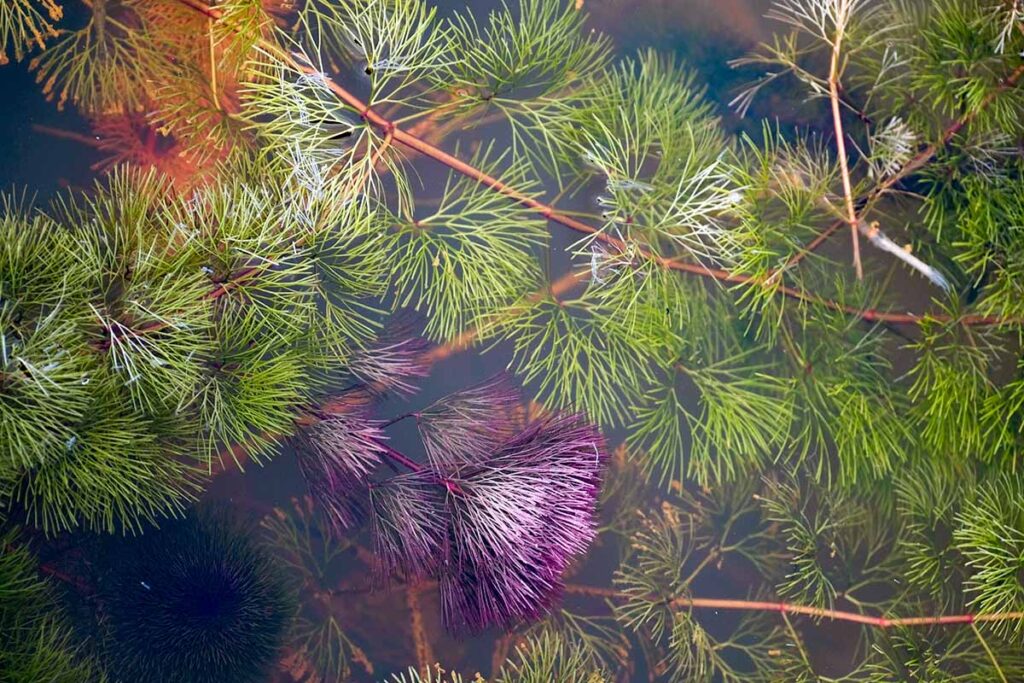
Key tip for comparison: Unlike Variable Milfoil (which has feathery leaves in whorls of 4–6 around the stem), fanwort leaves are strictly opposite each other and have that classic fan-like appearance.
If you see something suspicious while swimming, paddling, or boating, take a clear photo (including close-ups of the leaves and stem) and note the location.
For more images o to: www.invasivespeciescentre.ca
What Neighbors Can Do
- Clean, Drain, Dry your boat, trailer, canoe, kayak, and gear every time—before and after launching.
- Report sightings immediately weedwatchers@partridgelake.org or directly to the NH Department of Environmental Services (NHDES) Exotic Species Program or via their online reporting form. Early detection is critical!
- Participate in monitoring — Join or support our lake association’s Weed Watcher efforts.
- Avoid spreading fragments — Never discard aquarium plants or yard waste into the lake.
By working together, we can help keep Partridge Lake healthy and invasive-free for generations to come. If you spot potential fanwort or have questions, reach out to the Partridge Lake Property Owners Association.
Let’s protect what we love—our lake!
