• Skip to primary navigation
  • Skip to main content
PLPOA

Partridge Lake Property Owners Association

Littleton, New Hampshire

Pay Dues/Donate
  • Facebook
  • Membership
    • Dues and Donations
    • Property Owner Map
  • By-Laws
  • Articles
  • Resources
  • Newsletters

Lila Kee

Invasive Species Watch: Watch Out for Fanwort, an Emerging Invasive Threat

By Lila Kee · May 18, 2026

Our lake is a treasured resource for swimming, boating, fishing, and enjoying nature. As stewards of this beautiful waterbody, we must stay vigilant against aquatic invasive species that can harm water quality, wildlife, and our property values. While Variable Milfoil is the most widespread invasive in New Hampshire lakes, Fanwort (Cabomba caroliniana) is another aggressive invader gaining ground in the state and deserves our attention. 
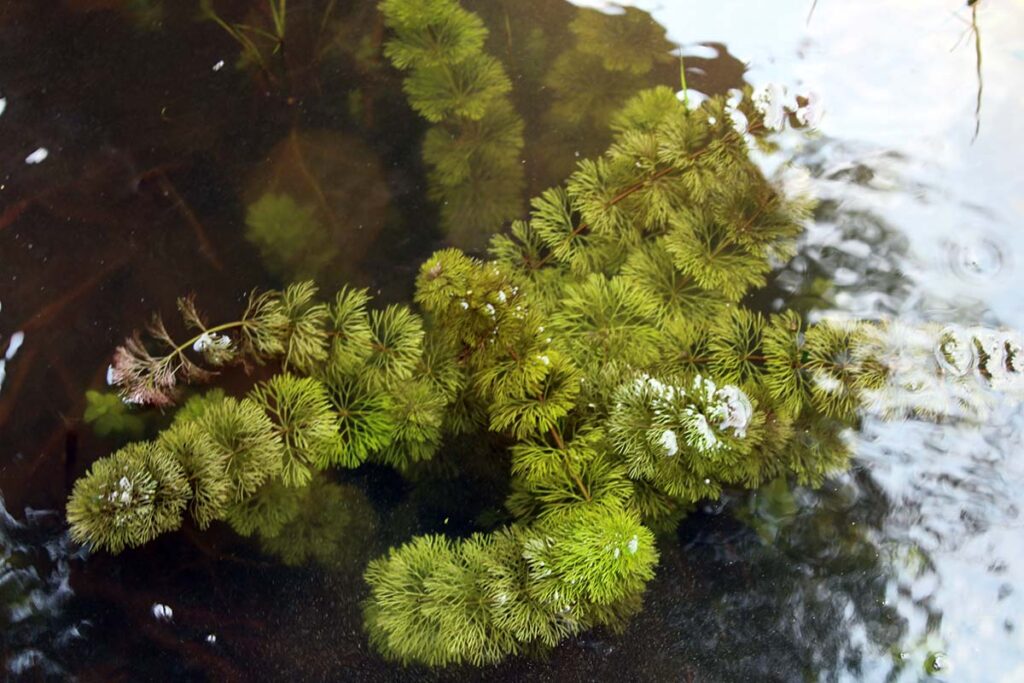
Fanwort

Why Fanwort Is Dangerous

Fanwort is a fast-growing submerged plant that forms dense mats, often in shallow to moderate depths. These thick stands can:

  • Crowd out native plants — reducing biodiversity and disrupting the natural balance of our lake ecosystem.
  • Harm fish and wildlife — by altering habitats, reducing oxygen levels (especially when large amounts die off and decompose), and limiting food sources for waterfowl and other species.
  • Interfere with recreation — making swimming, boating, and paddling difficult or unpleasant as it tangles around limbs, propellers, and fishing lines.
  • Lower property values — dense infestations reduce the aesthetic appeal and usability of our shoreline, which can impact everyone in the community. 

Fanwort spreads easily through small stem fragments that break off and drift to new areas—often hitchhiking on boats, trailers, anchors, or fishing gear. Once established, it is very difficult (and expensive) to control.

How to Spot Fanwort

Fanwort is distinctive once you know what to look for:

  • Submerged leaves: Bright green (sometimes reddish), fan-shaped, and finely divided like a feather or hand with spread fingers. The leaves grow in opposite pairs along the stem (not in circles/whorls like milfoil).
  • Stems: Slender and often long; the plant can grow several feet tall.
  • Floating leaves (sometimes present near the surface): Small, oval or diamond-shaped.
  • Flowers: Small white, pinkish, or purplish flowers that float on or just above the water surface in summer.
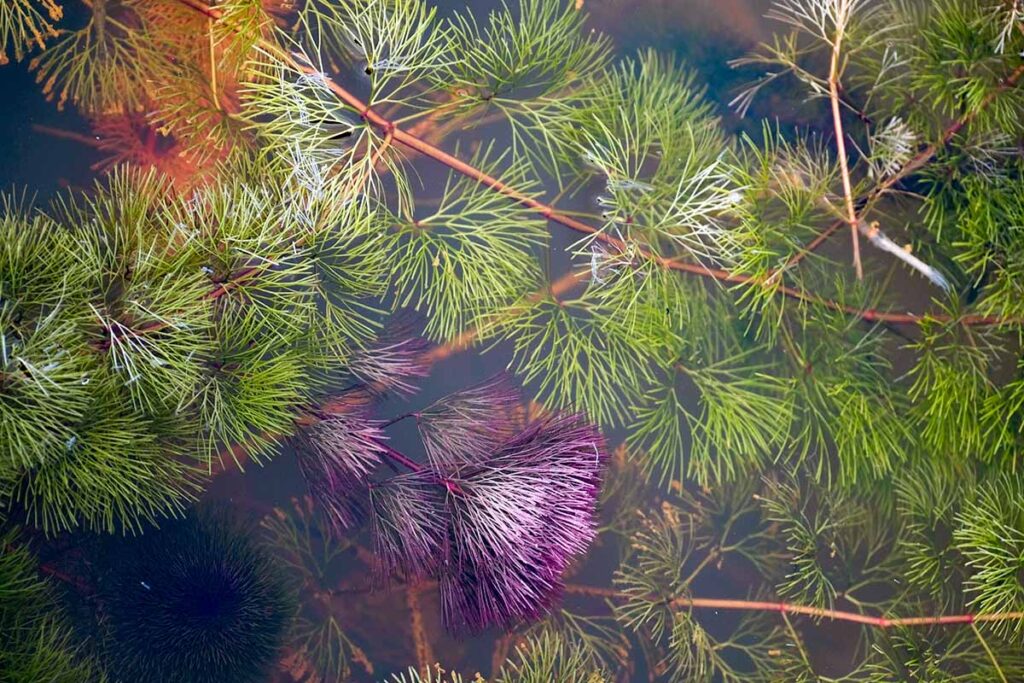
Fanwort

Key tip for comparison: Unlike Variable Milfoil (which has feathery leaves in whorls of 4–6 around the stem), fanwort leaves are strictly opposite each other and have that classic fan-like appearance. 

If you see something suspicious while swimming, paddling, or boating, take a clear photo (including close-ups of the leaves and stem) and note the location.

For more images o to: www.invasivespeciescentre.ca

What Neighbors Can Do

  1. Clean, Drain, Dry your boat, trailer, canoe, kayak, and gear every time—before and after launching.
  2. Report sightings immediately lilakee@gmail.com or lizgat2015@gmail.com or directly to the NH Department of Environmental Services (NHDES) Exotic Species Program or via their online reporting form. Early detection is critical!
  3. Participate in monitoring — Join or support our lake association’s Weed Watcher efforts.
  4. Avoid spreading fragments — Never discard aquarium plants or yard waste into the lake.

By working together, we can help keep Partridge Lake healthy and invasive-free for generations to come. If you spot potential fanwort or have questions, reach out to the Partridge Lake Property Owners Association.

Let’s protect what we love—our lake!
Invasive Species Watch: Urgent – Protect Partridge Lake from Spiny Water Flea Invasion

By Lila Kee · October 16, 2025

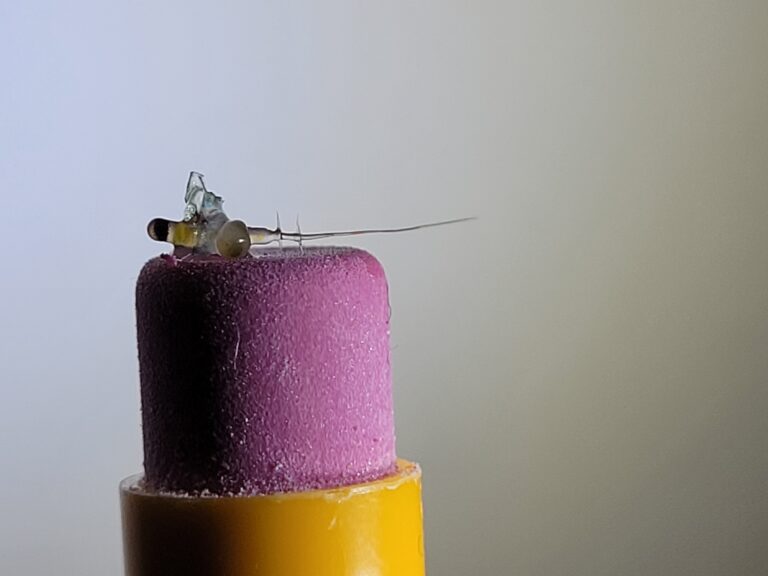
Partridge Lake Community, a new threat looms: the spiny water flea, a tiny invasive crustacean confirmed in nearby Newfound Lake. This pest, smaller than a fingernail, disrupts ecosystems by devouring zooplankton, harming fish, and promoting murky algae blooms. Boaters and anglers are key to stopping its spread to our lake.

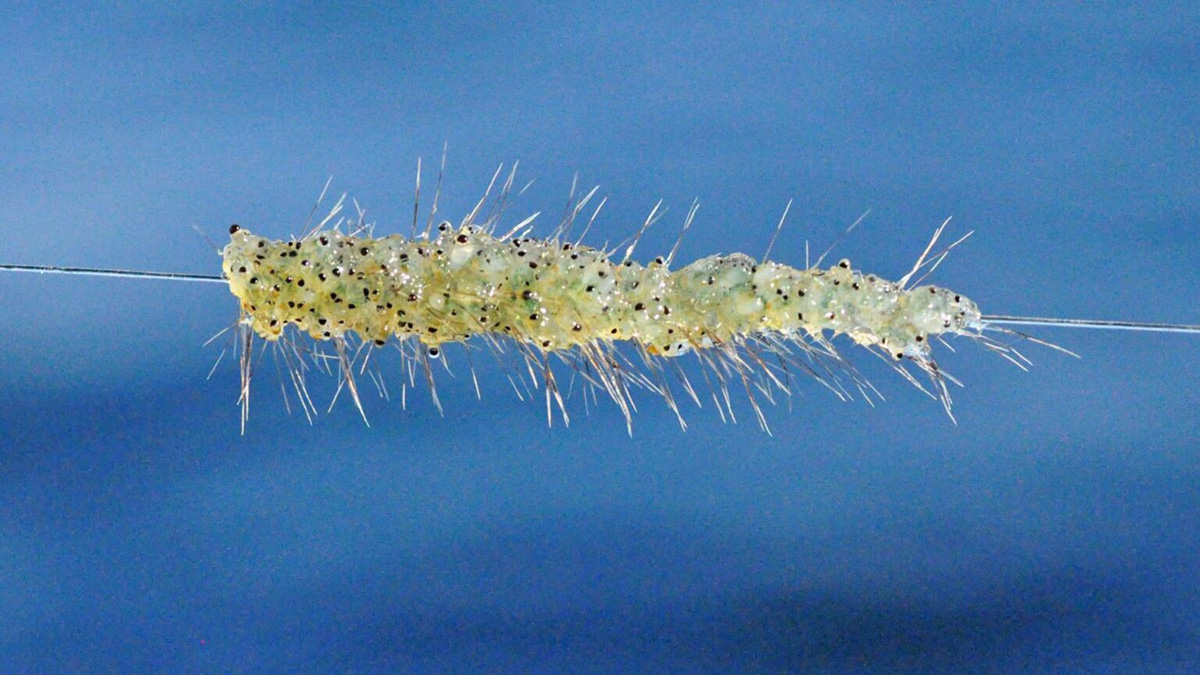
Dozens of spiny water fleas on a line.
Dozens of spiny water fleas are entangled on a fishing line. The animals, which are smaller than a fingernail and invasive in the Northeast, are often transported between water bodies on fishing tackle. (Photo by Emily DeBolt/New York Department of Environmental Conservation)

Why It’s a Problem

Spiny water fleas form spiny, jelly-like clumps that hitch rides on boats, trailers, and fishing gear. They reduce zooplankton by up to 50%, unbalance the food chain, and are nearly impossible to eradicate once established.

Boaters’ Role in Prevention

  • Clean: Scrub boats, trailers, and gear with hot water or mild bleach solution.
  • Dry: Allow 1½ hours to kill adults, 4–6 hours for eggs. 
  • Drain: Empty bilges, live wells, and motors before leaving any lake.
  • Inspect: Check for jelly-like clumps with spines, especially after visiting other lakes.
A single spiny water flea is pictured atop a pencil eraser. The animals, though small, can have big impacts on the environments they invade, said zooplankton experts. They are currently known to be present in three New Hampshire lakes. (Photo by New Hampshire Department of Environmental Services)

Act Now

Report sightings to Lila or Liz and join our monitoring efforts. Clean, drain, and dry your gear to keep Partridge Lake clean.

For a full description of the recent finding please refer to this original article.

Thank you!
Liz and Lila 

Invasive Species Watch: Variable Milfoil

By Lila Kee · September 13, 2025

This is the first in a series of posts about invasive species that threaten New Hampshire lakes. We’re starting with one of the most common and concerning: Variable Milfoil. While we do not have this plant in Partridge Lake, it’s widespread in NH and important for us to know how to recognize it.

Invasive Milfoil

Why should we care?

Variable milfoil is one of the most destructive invasive plants in New Hampshire waters. If introduced, it can:

  • Form thick mats that block out native plants and harm fish habitat
  • Make swimming, boating, and fishing difficult
  • Lower water quality and overall lake health

How to recognize it

  • Long, stringy green stems
  • Whorls of 4–5 feathery leaves around the stem, soft and fan-like (like a bottlebrush)
  • Can grow up to 15 feet tall under the water

See photos of variable here: https://share.google/images/ghGyaT9707l5epMqt

Where it’s typically found

Milfoil usually takes hold in shallow water, coves, and along shorelines where boat traffic, water currents, or wildlife can spread fragments, but it can grow down as deep as sunlight can penetrate.

How to tell it apart from native look-alikes

  • Feather-like leaves in whorls of 4–6 around the stem.
  • Leaflet count usually less than 12 pairs
  • Stiff, bushy stems, often reddish or green, forming dense clumps reminiscent of a “squirrel tail.”
  • Contrast with native milfoils—less dense, fewer leaflets, and more delicate.

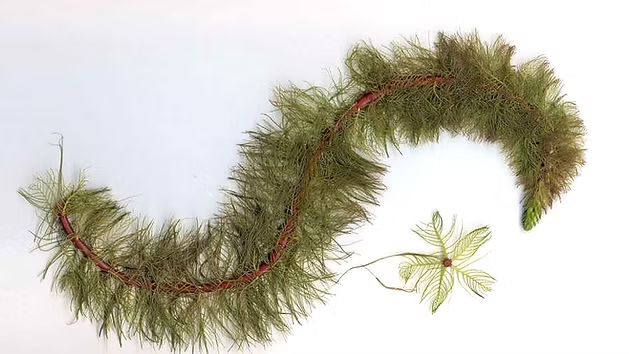
Good vs bad milfoil comparison:

Variable milfoil (invasive)

Leaves are feathery with 7–11 leaflet pairs on each leaf. Plants often look denser and “bushier.”

Photos: https://share.google/images/ghGyaT9707l5epMqt


Variable (invasive) milfoil

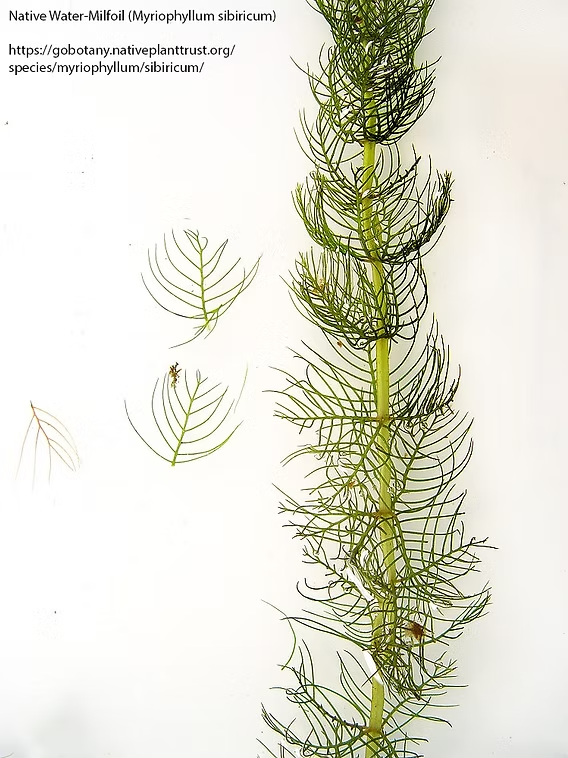
Native milfoils (like whorled water milfoil)

Leaves usually have fewer leaflet pairs (5 or less) and appear more delicate or sparse. (there is plenty of this type in Partridge Lake)

Photos: https://share.google/images/jyPWIxpi4PWue7tGJ

A quick tip: If it looks especially dense and “fluffy,” it’s more likely the invasive kind.

Native milfoil

Three common native plants that are often misidentified as variable milfoil are bladderwort, elodea, and water marigold:

  • Bladderwort: Has branching or forking foliage with small “bladders” visible on the stems—not feather-like milfoil leaves. Mature bladderwort leaves may superficially resemble milfoil, but the branching pattern and bladder structures are distinct.
  • Elodea: Features small, leaf-like foliage that is noticeably different from milfoil, and it lacks the feathery structure altogether.
  • Water marigold: plants about a foot tall, leaves whorled around the main stem, low growing

How you can help

The best defense is early detection—and that means many eyes on the lake. If you spot something that looks suspicious:

  1. Note the location (cove, near dock, shoreline, etc.)
  2. Snap a quick photo if possible and Email to Lila or Liz at: Weedwatchers@partridgelake.org.

Crowdsourcing our lake monitoring gives us the best chance of keeping Partridge Lake free from invasive species.

Stay tuned for more posts in this series as we learn about other invasives to be on the lookout and please don’t hesitate to contact us with any questions you might have.

Thank you!
Liz and Lila
Partridge Lake Weed Watcher Committee

Nesting Loon

Partridge Lake Property Owners Association

info@partridgelake.org

Copyright © 2026 · PLPOA